Table of Contents
Gloucester County Courts, NJ *
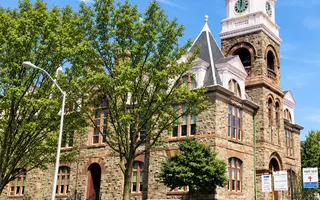
Gloucester County strictly follows guidelines provided by the unified court system of New Jersey. The courts are not independent. Instead, they operate under the same umbrella, with higher courts handling high-stakes matters as the local courts take on minor offenses. This system means that cases can start and end at the county level, so companies, employers, individuals, legal professionals, and other parties can have their matters resolved in court. Besides quick resolution of cases, the courthouses also step in to assist residents when they are filing cases or need access to court records for their work or research.
How to Access Gloucester County Court Records
 Online Access
The first place to start for inquirers seeking court records in Gloucester County is the NJ Courts Public Access Case Jacket. It is a handy tool for individuals and legal professionals seeking access to records from civil, criminal, family, and chancery cases. They can access records from the Superior Courts and Municipal Courts, provided they are publicly accessible. They can also use it for access to case or docket information and other publicly available filings. All they need is the party's name or case/docket number and other particulars of the case, and they must remember to narrow down to Gloucester County to filter out the results.
 Alternative Online Options
Besides the state-provided platforms, inquirers go to CourtCaseFinder for easier navigation. This resource saves the day when they need court records from any county in the state, including public filings like divorces, arrests, civil lawsuits, and more. Such information is aggregated from various sources into a single database, so parties don't need access to multiple sites to find what they need. It is handy for first-time users and parties unsure of where to start their search.
 In-Person Requests
Some records are not accessible online due to their nature. For inquiries about physical or archived records or certified copies, parties should contact the offices handling them. Major civil and criminal matters can be accessed at the Superior Court office, while details of minor cases unavailable online can be found at the Municipal Court offices through the respective court clerks. On the other hand, inquiries of probate matters can be made at the Surrogate's Office. This applies to all in-person requests, and since the offices keep a lot of records, parties should bring along their cases' identifying details, like the case number, type, and parties mentioned in any capacity, to help narrow down the search.
 Archived Records
Many older records in physical form are accessible at the respective courthouses and offices, but some are even older and exist only in paper or hard copy form. So when seeking records from hundreds of years ago, inquirers should check the state's archives. The New Jersey State Archives has a database of records dating back to the 1600s, allowing historians, researchers, and genealogists to find older records. They can find the records online or formally request that they be mailed.
Overview of the Gloucester County Court System
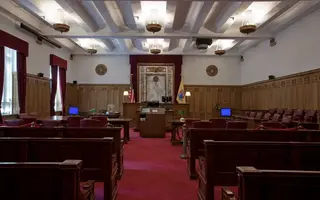
The court system in Gloucester County differs from that of other states, with separate courts to handle specific matters. What's similar is that there are statewide courts taking the administrative and appellate roles in the counties, and in New Jersey, these courts are the Supreme Court and the Superior Court (Appellate Division). They receive contested cases from the county and review them, ensuring the judgment is fair for all parties. The state and county courts are all under the state's unified judicial system, which includes two main county-level courts.
The first and at the highest level is the Superior Court, and under it are the Criminal, Civil, Special Civil, Chancery, and Family Divisions. This means that the most serious matters are heard at the Superior Court. Probate matters, however, are handled at the Surrogate's Office, which is not a separate court but a government office that assists with the county's judicial functions. Lastly, Gloucester County has numerous Municipal Courts operating in respective municipalities. They handle minor cases within the municipality's limits, offering faster resolution to minor offenses.
Types of Courts in Gloucester County, New Jersey
 Superior Court
The Superior Court of Gloucester County is the main trial-level court in the region. It has various divisions under it, each with its own jurisdiction to effectively resolve civil and criminal matters in the county.
Primary locations: Gloucester County Courthouse and Gloucester County Justice Complex
Below are the divisions under the county's Superior Court and their jurisdictions:
- Criminal Division: Serious criminal charges, sentencing, and related criminal hearings.
- Civil Division: Civil lawsuits, contract and property disputes, and personal injury cases.
- Special Civil Division: Small claims, landlord-tenant disputes, limited civil cases.
- Chancery Division: Review of probate matters and general equity cases.
- Family Division: Divorces, child support and child custody, juvenile matters, domestic violence, and other domestic relations cases.
 Municipal Courts
There are several Municipal Courts in Gloucester County, each with jurisdiction limited to the respective municipalities. They handle minor and petty offenses that require quick resolution and are distributed throughout the county to reach the locals.
They handle cases like:
- Traffic violations
- Violations of municipal ordinances
- Disorderly-person offenses
- Minor matters within the municipalities' limits
How to File a Case in Gloucester County
Presenting cases to the courts in Gloucester County is straightforward for both self-filers and legal professionals. The county guides both parties on what to pay attention to to avoid misfiling and other hiccups. Below are the steps that guarantee successful filing in the county courts.
 Step 1: Choose the Correct Court
The first thing is for filers to know where their case belongs because not all cases go to the same chambers. Once they understand the details of their case, they can tell whether it goes to the Superior or Municipal Courts. The former accepts all major civil, family, and criminal matters, while the Municipal Courts operate within the county, handling only minor traffic and ordinance violations. Parties must file with the court handling the case, or they will run into unwanted delays.
 Step 2: Complete Required Forms
Once they are certain about the type of case on their hands and the appropriate court to handle it, the next important step is presenting the case formally to the court. To make it easier for filers, the state provides various forms to download and fill out. The Forms Catalog contains documents that filers can access if they are unable to go to the courthouses for assistance with legal forms from the court staff. The forms are organized by case type and other particulars for convenience. Parties will then carefully review the forms, complete them based on the instructions, and counter-check that there are no blanks and the details are accurate before submission.
 Step 3: File the Case
There are two main ways to file cases in Gloucester County. They can go to the court offices, where they are filed in person by the parties, or alternatively, the forms can be submitted electronically. This depends on the type of case and whether the court allows it. For convenience, filers opt for electronic filing through the Judiciary Electronic Document Submission (JEDS) system. They can log into the system and use their credentials for subsequent access. The state offers first-time filers instructional materials to get started and guidance on how to successfully file.
 Step 4: Pay Filing Fees
The New Jersey Judiciary requires that most filings be accompanied by the relevant court fees, which apply to most cases going through the county courts. To be certain, filers can check the current fee schedule for details of what this means for their case. The costs could be higher or lower depending on the type and seriousness of the case. There is a workaround if the filer cannot afford the required costs. They can appeal for a waiver by submitting the Fee Waiver Form. The court will request supporting documents, and if proven eligible, the case proceeds without the charges.
 Step 5: Serve the Other Party
All parties presenting cases in the county courts must also complete the service, which means formally notifying the opposing side about the case. The state mandates that third parties not connected to the case handle this step, such as the sheriff or a licensed process server in the county. When it's done, the filer retains proof of service, which must be presented to the court to confirm the process was successful, because without it, the case may be derailed or dismissed.
 Step 6: Monitor the Case
Filing doesn't end there because a lot happens behind the scenes. After successfully filing, they can use it as a reference to monitor it throughout the stages. They can track in person from the courthouses or online through the JEDS system used during filing. This way, they can receive important updates on the case, including when hearing dates are set, court appearances are requested, documents are needed, and other important milestones.
Gloucester County Courthouse Directory
Gloucester County Courthouse (Civil and Chancery Divisions of the Superior Court)
Woodbury
Address: 1 North Broad Street, Woodbury, NJ 08096
Phone: (856) 853-3200
Website: Superior Court
Gloucester County Justice Complex (Criminal and Family Divisions of the Superior Court)
Woodbury
Address: 70 Hunter Street, Woodbury, NJ 08096
Phone: (856) 878-5050
Website: Superior Court
Municipal Court
Numerous municipal courts are located throughout the county to solve minor offenses and violations. Their addresses and contacts are in this county directory.
Legal and Self-Help Resources
The Center for Family Services (SERV) is an organization that works closely with survivors of domestic violence and human trafficking in Gloucester County. It provides legal advocacy, counseling, safe houses, referrals, court accompaniment, and other assistance in navigating the court system to present their cases. Also, through its Gloucester office, South Jersey Legal Services (SJLS) steps in to serve eligible residents who cannot afford to hire legal assistance. It assists low-income residents and other marginalized communities with civil matters like housing, family law, public benefits, senior rights, consumer issues, and more. Residents interacting with the county courts for the first time can get assistance from the courthouse when they need access to legal forms and instructional materials to file cases and access court records.
FAQs
How many courts are in Gloucester County?
There are two main courts in Gloucester County, namely the Superior and Municipal Courts. The Superior Court handles the most serious civil, family, and criminal matters and is organized into divisions, while the Municipal Courts are located in various Municipalities, serving the locals by enforcing traffic and city ordinances. As for probate matters, they go to the Surrogate's Office, a government office assisting the other courts.
Are all court records public in Gloucester County?
Many court records in Gloucester County are accessible to the public. However, some are sealed due to their sensitive nature or in obedience to court orders. In most cases, records from juvenile, family, and adoption cases will be hard to find online or through other sources. Also, the courts sometimes order certain records to be expunged or sealed, and in these cases, only authorized parties can access them.
Where can I find court records in Gloucester County?
There are various ways to access court records in the county, depending on the type and when it was filed. The first place to check is online, where parties can access state-provided tools or, for convenience, use CourtCaseFinder, which is a reliable third-party source. Alternatively, older records in hard copy form can be obtained in person at the courthouses or from the state archives.
Where do I find Probate records in Gloucester County?
The first place to check is online. If inaccessible, the next place to check is the office or courthouse handling them. In Gloucester County, like other counties in New Jersey, Probate cases are handled through the Surrogate's Office, so it's the best place for inquirers to get more information about previous cases like wills, trusts, and estates.
Other Counties in New Jersey
Table of Contents